I vibe coded a hedgehog
Trying to use AI when I don't really like AI

🎶🎶Look at my son🎶🎶
So I did a thing.
Even though we just celebrated Mother’s Day (thanks, Jean! Enjoy Japan this week!), I decided to become a father.
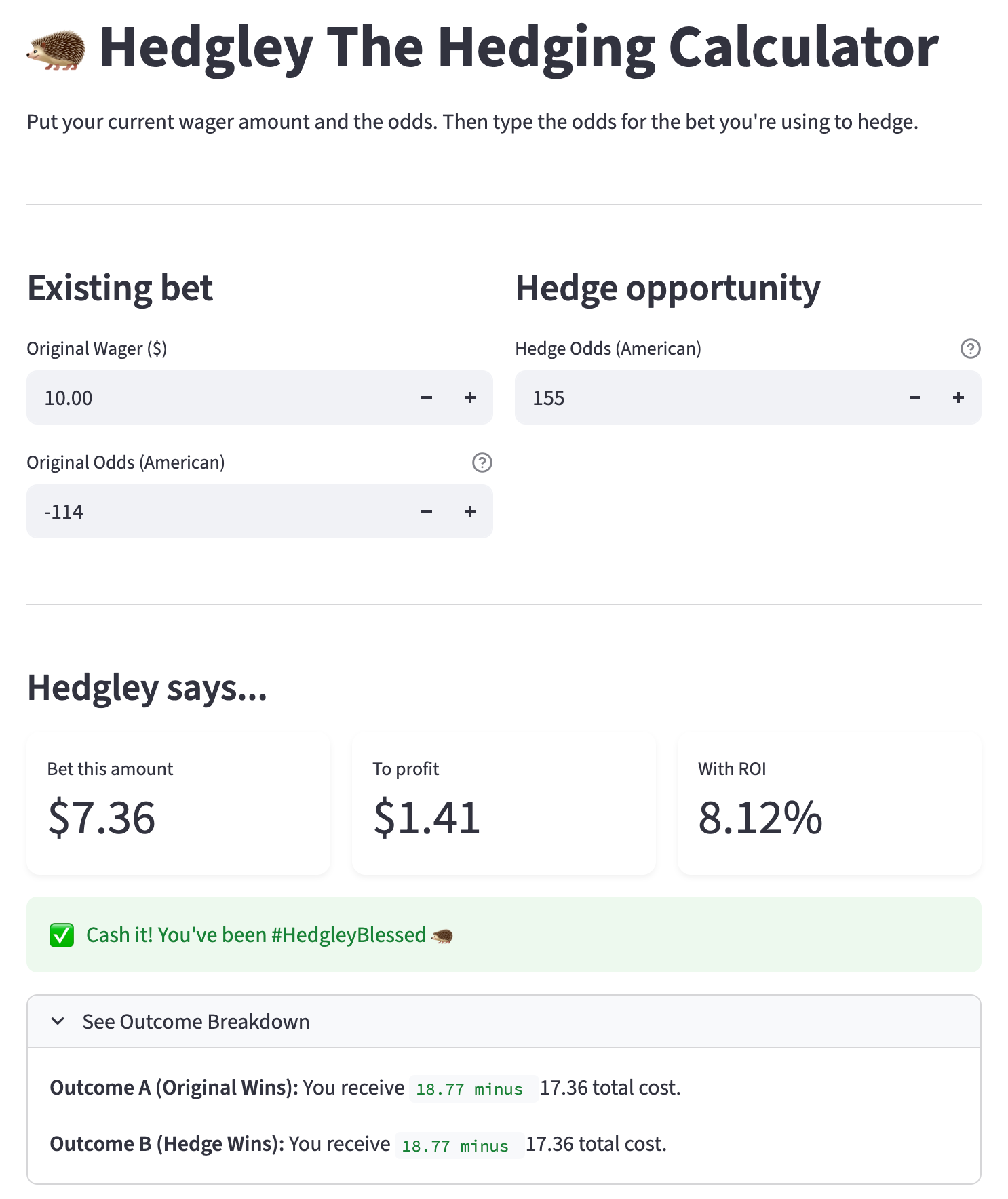
Father to an AI-assisted hedging calculator to analyze arbitrage wagers for any existing and potential sports bet.
Meet Hedgley.
What started as a simple idea related to hockey betting became a functioning website in about an hour. Is this useful? A little. Did I learn something? For sure.
Am I still deeply troubled about our species’ inexorable decline into mental stagnation as we hobble gout-footed toward our demise while squandering finite resources in the zero-sum battle of worshipping EBITDA?
Oh yeah.
But let’s set aside the black hole of entropy of the universe for a second and focus on my fun use of the hedgehog emoji!

Arb-y’s—We have the maths
Hedging a bet is a simple concept. You have one possible outcome and you’re trying to assure a guaranteed profit by properly betting the opposite side.
So no matter what happens, you profit something. It’s an arbitrage in the financial parlance. An “arb.”
The math behind it isn’t too complicated, but it’s juuuust annoying enough to not be something most folks can just…do in their head.
For example, I placed a bet earlier in the playoffs that a team from the Western Conference would win the Stanley Cup.
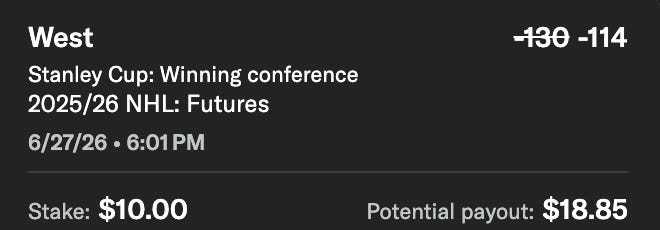
But after the Carolina Hurricanes finished a second sweep—this time against the Flyers, I became concerned and curious. Could Rod’s Rowdies lift the Cup this year? What could I bet to balance it out?
Time to hedge. Let’s try the Eastern Conference to win at the current odds of -105:
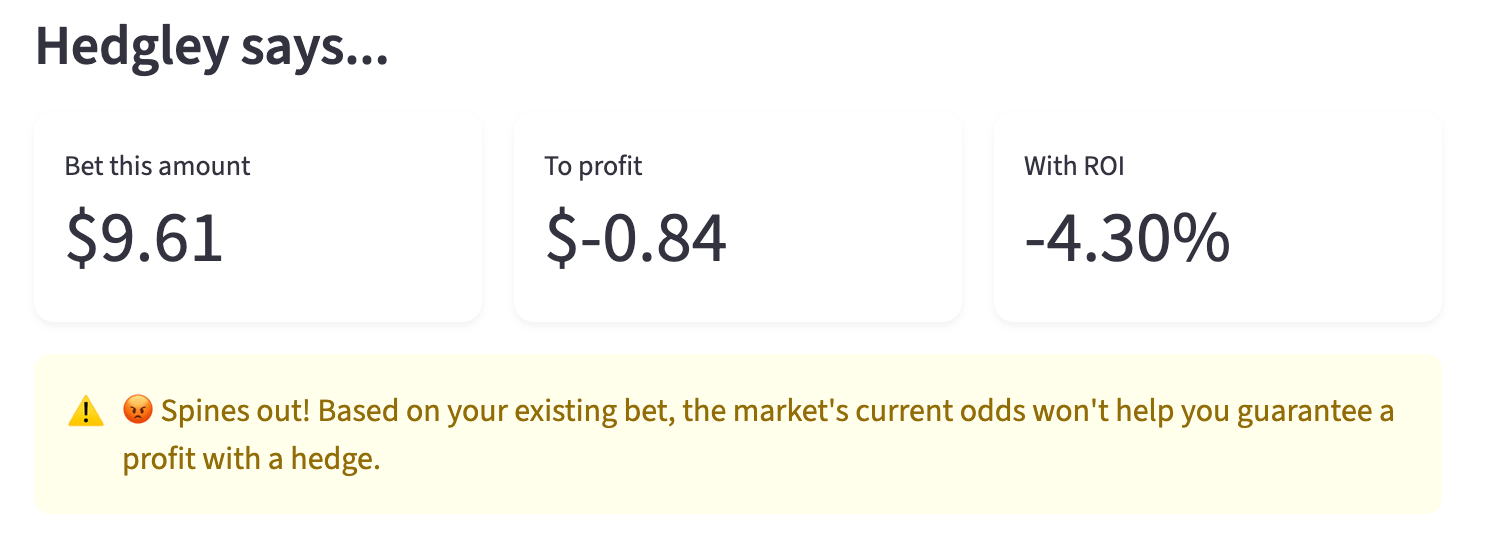
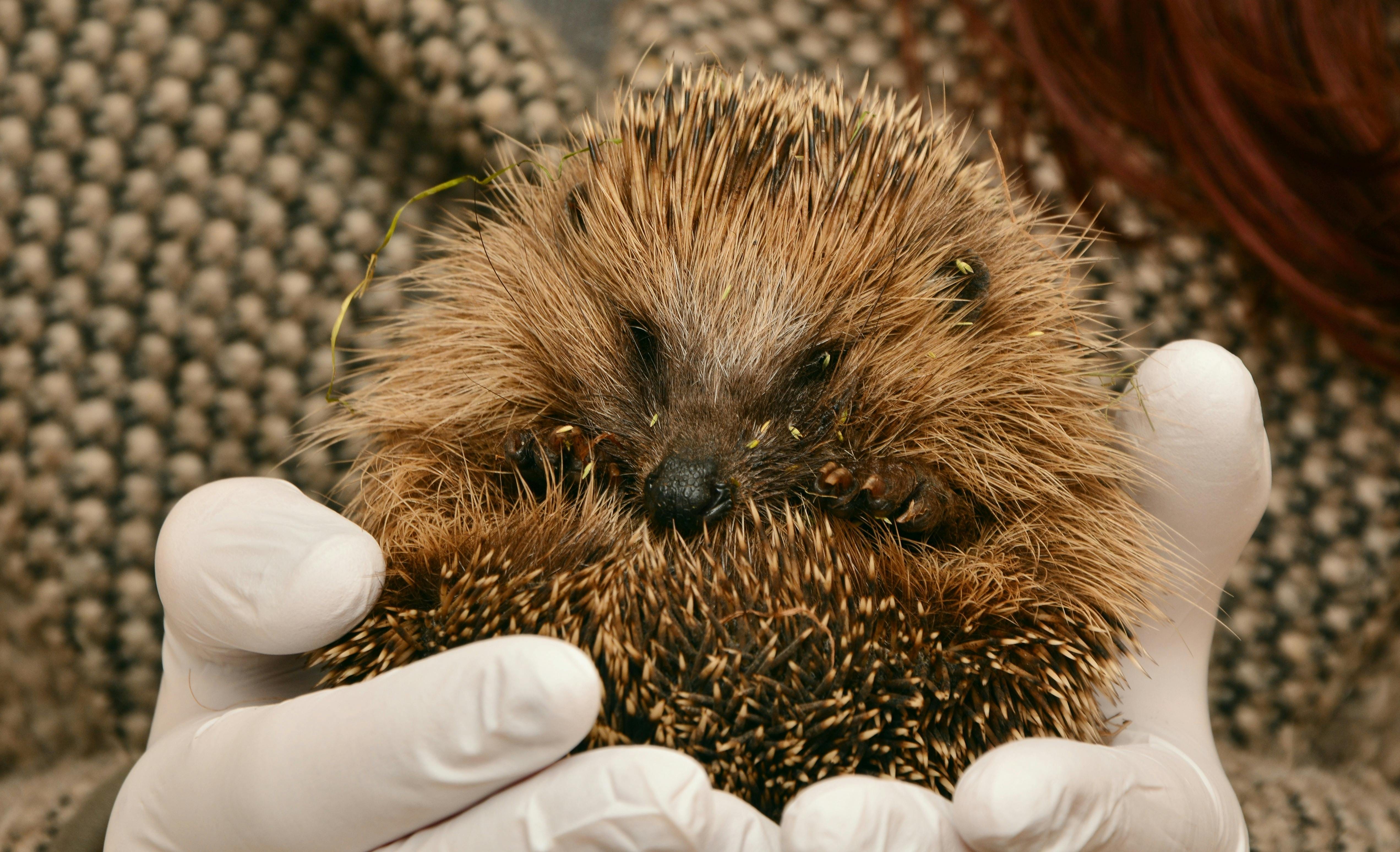
AH! Little man balled up and we won’t win anything. Instead, I can hedge with Carolina as the Cup winner at +155. I would still be risking a loss if the Sabres or Canadiens beat the Canes. But, like, c’mon. Nah.
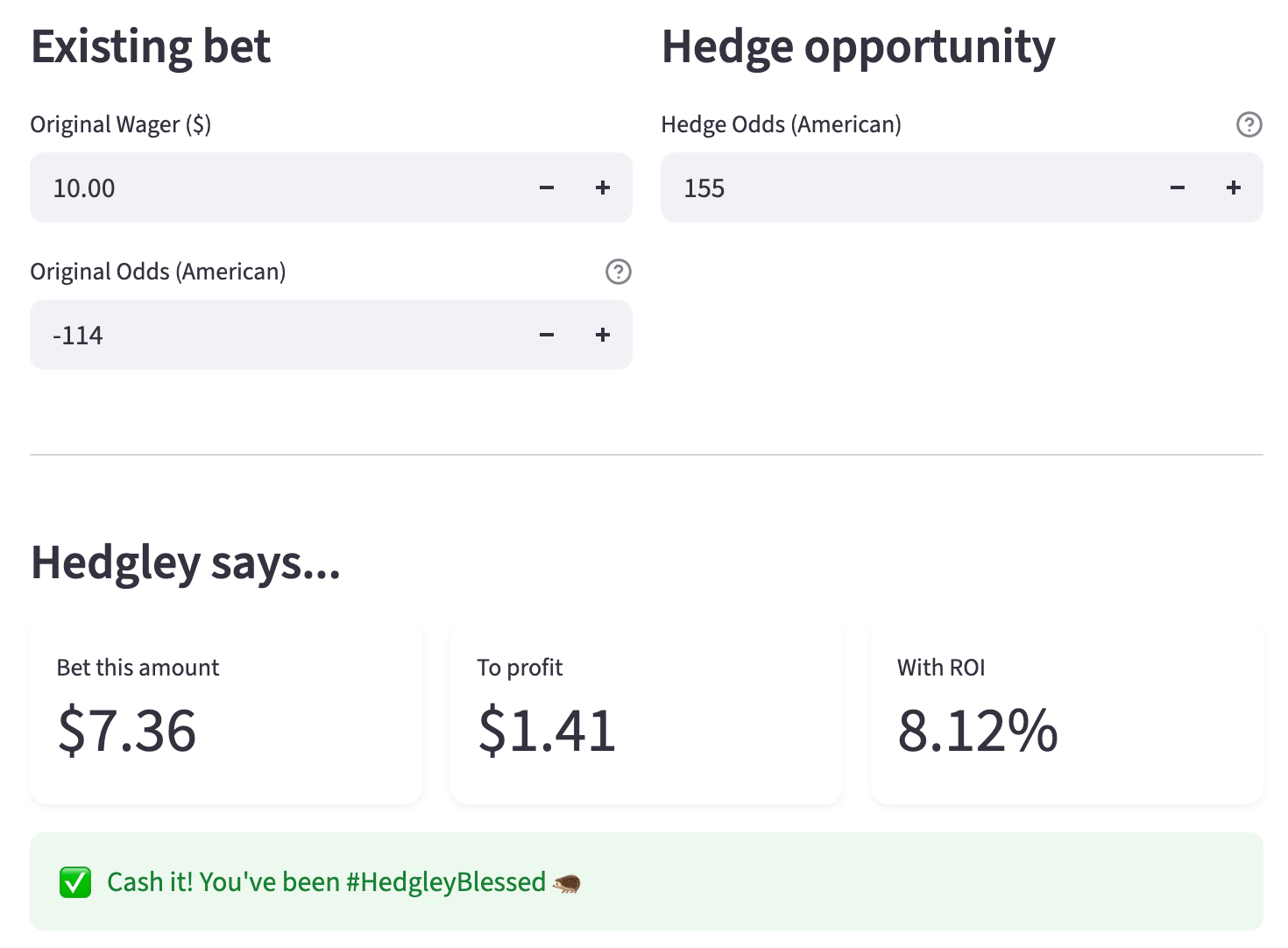
Bang. Now I will profit guaranteed. A small profit, but still.
Now, this is not even remotely a secret or trick or hack. Hedging and specifically hedging calculators are free and easy to find. Hedging and arbing are gateways for prolific bettors to make consistent money and assure a healthy ROI over time. This is basic betting and nothing special.
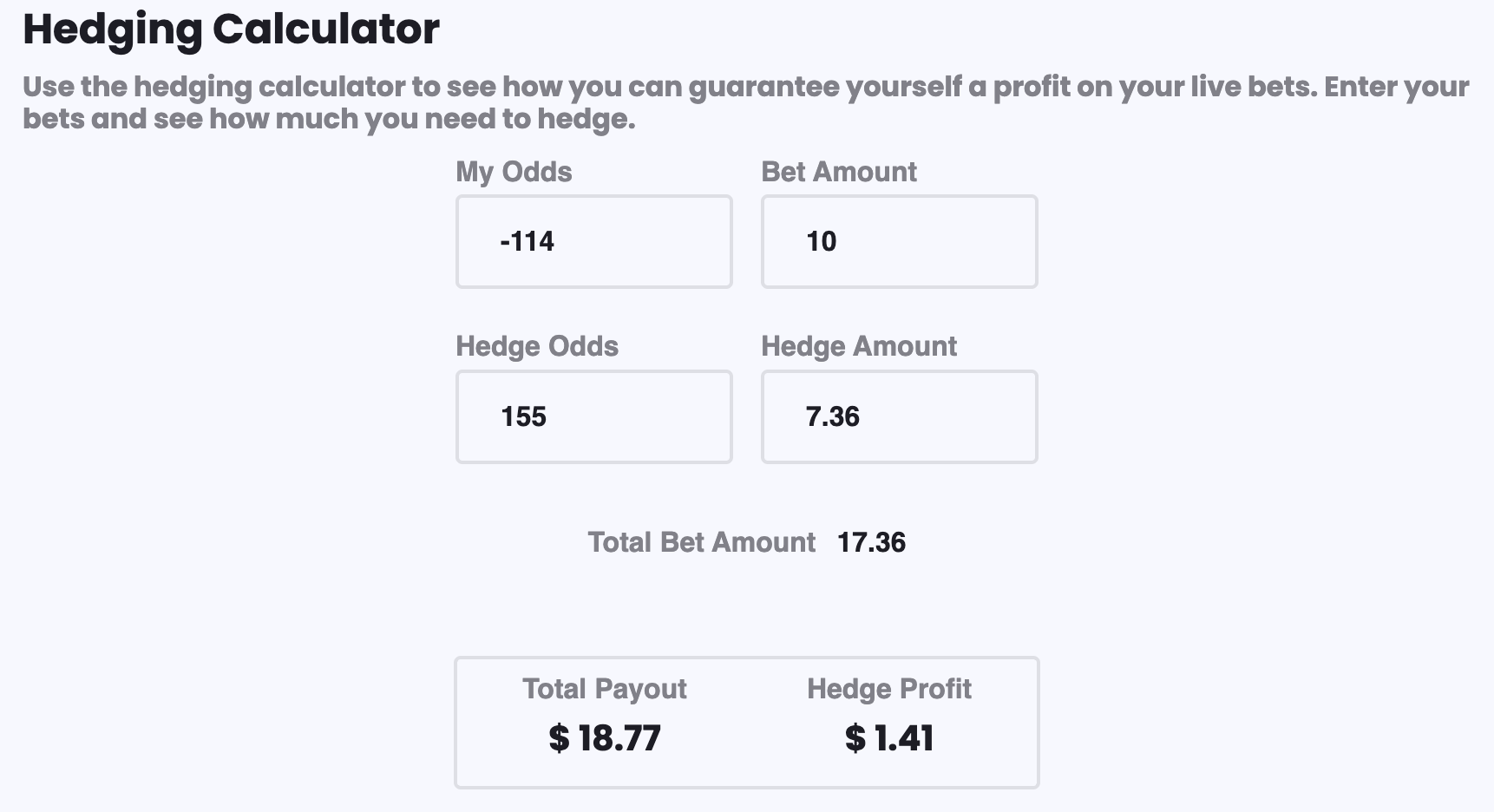
But it’s a fun experiment to fiddle with.
AIn’t sure about that
I am an admitted AI skeptic. I have deep and profound mistrust of any promise that can’t routinely and reliably be backed up.
Just like prediction markets’ multiple critics and concerns, I need to see more tangible proof that this AI hype has a net-positive payoff.
Because right now, it’s a lot of Wall Street magic beans, IP theft at a grand scale, endless touting by companies that may end jobs, and a true reckoning for the environment and society as a whole.
404 Media had a lovely piece Monday about the consequences of other people using AI. Laziness has infected writing, speeches, image creation, and much more.
AI has become a comforting crutch for the intellectually bankrupt and creatively corrupt.
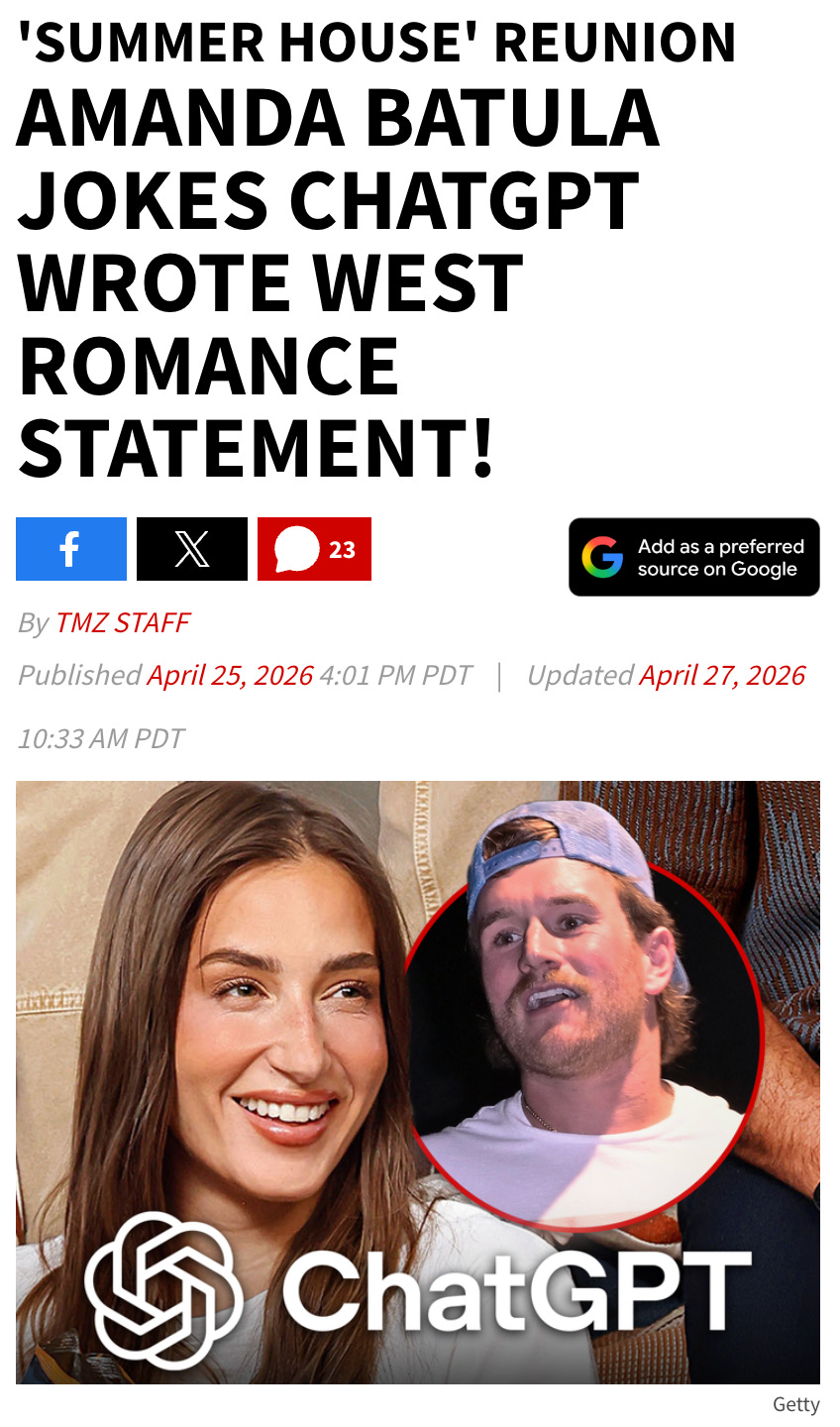
Yet there is pushback. “Clanker” has crossed over from Star Wars vernacular. The “Summer House” joint statement heard ‘round the net was exposed as AI slop:
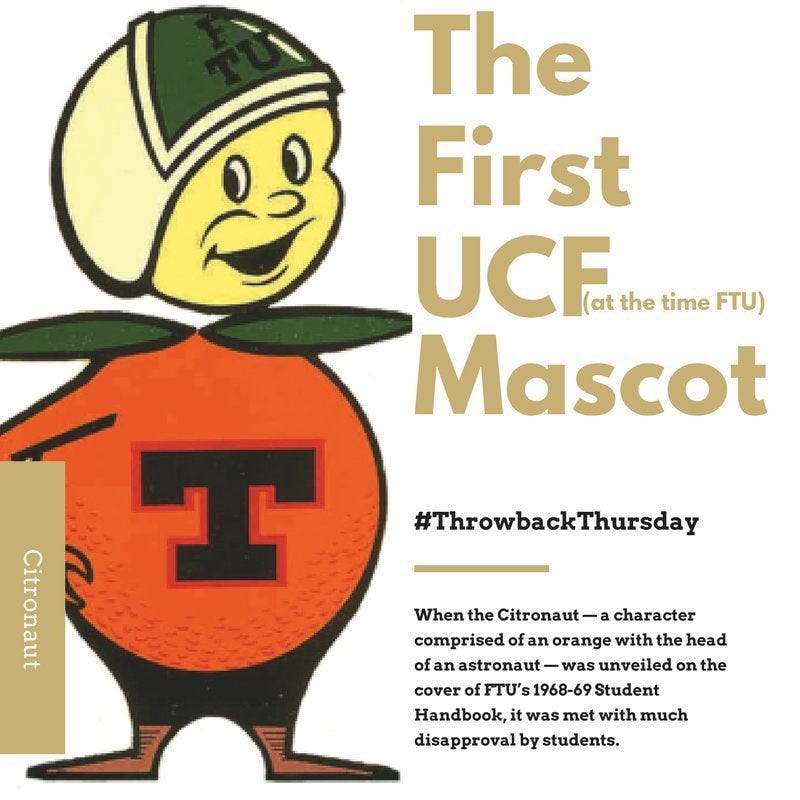
Also on Monday, video surfaced of fine arts and comms grads loudly booing a University of Central Florida commencement speaker who was deifying AI as “the next Industrial Revolution.”
Because notably, the Industrial Revolution was a time of great egalitarian success. It was known for its even economic playing field with no violent exploitation or longterm damage to the world. A true golden age. (Computa, make this font supa sarcastic and ironic)
Go Citronauts!
Calm down, luddite
Now, if you don’t like all this talk and your Meta Ray-Ban lenses are steaming up with invective rage, I get it.
But I’m trying to experiment and find positive use cases for AI in work and leisure.
It comes down to how and why we use AI tools. I believe AI should not be used for creative endeavors like art, images, novels, music, lyrics, and more. These are the core of humanity and expression.
A response to a boss for a project proposal? Do it yourself. Making a sign for your bodega? Lemmegetta BECSPHireanartist.
There’s a time and place for using AI purposefully as an additive—not a replacement.
“There I Ruined It” skewers and creates unreal mashups in a fun (and clearly transparent use) AI…thingy. But even it still requires the human touch.
Where are humans less important?
Math. And coding.
Me talk pretty
My college roommate was a physics major and literally has a doctorate and often works in hadron colliders. Atom smashing and exploring the secrets of the universe.
I used a hedgehog emoji for online gambling.
We are not the same.
So Stephen called me an “Arts & Crafts Major.” Not the arts & sciences like Dear Old C.U.
Arts and crafts.

So yes, I fully admit that I do indeed need information and help when it comes to HTML, complicated math, hedging bets, and other static, not-art, non-subjective tasks.
That’s where AI can and should help.
At FanDuel, we were nibbling around the edges of AI use in our customer operations workflows. An in-house AI chatbot allowed us to use company info in a walled garden to tinker and play.
This is how I learned how to work around Salesforce limitations to make callout boxes for information in FAQ articles. This was all HTML coding and our AI system showed me how to create it. I fiddled with some padding and color changes and such, but AI helped us make something eye-catching and helpful on high-contact issues:
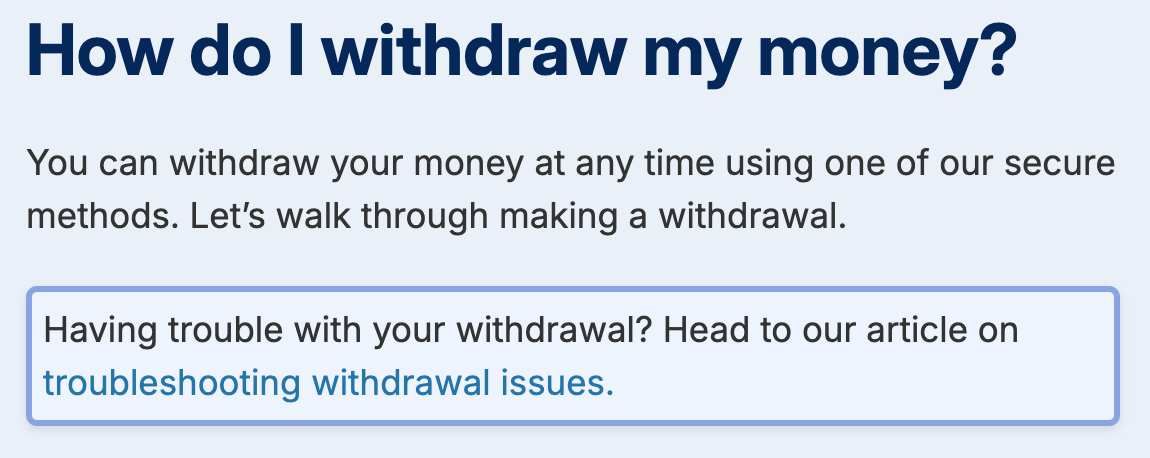
Again, this is not a revelation, magic, or anything even remotely special. But it felt cool to have essentially zero HTML experience and be able to create a repeatable template to use across all articles. AI gave me the basic blocks of code and I wrote a style guide and how-to document for other folks on the staff.
Hackathon from a hack
Last year, a team of other FanDuelers and I got together and crafted a test case for an AI bet explanation tool. Not one to tell you what to bet or what trends are happening.
But instead, we made a “why did my bet lose” AI explainer that would take betting market information, compare it to what you bet, and then check the box score information to see what went wrong.
Then it would spit out a couple sentences to clearly explain the losing bet.
It worked pretty well and could be a major aid for customer support agents shuffling through webpages to explain a Jalen Hurts passing touchdown bet isn’t the same as an anytime touchdown bet.
Not a replacement. An addition.
Our team won the Hackathon based on that idea and execution and it likely has a larger future soon.
Am I the drama?
So now we turn back to my Large Adult Son Hedgley.
And my conflicted feelings with AI.
You can certainly argue that I used megacorp dystopian AI to create a dumb tool that other people already did better—all for an industry that preys on the addicted.
And that would be pretty fair. I get it completely.
I grapple with those conflicts and personal hypocrisies constantly.
But like any powerful tool, it comes down to intent and usage. I didn’t use AI as a slop generator to crank out cheap t-shirts or social media catnip. It was targeted and specific like a high-powered search engine.
I’m trying to grow my skillset and express creatively in a different way. I didn’t just want a one-button solution to spit out the full website.
Sure, it gave me that option and the version it delivered VERY MUCH had the hallmarks of soulless phrasing and AI-driven mistakes. It also didn’t quite work correctly with the green checkmark section.
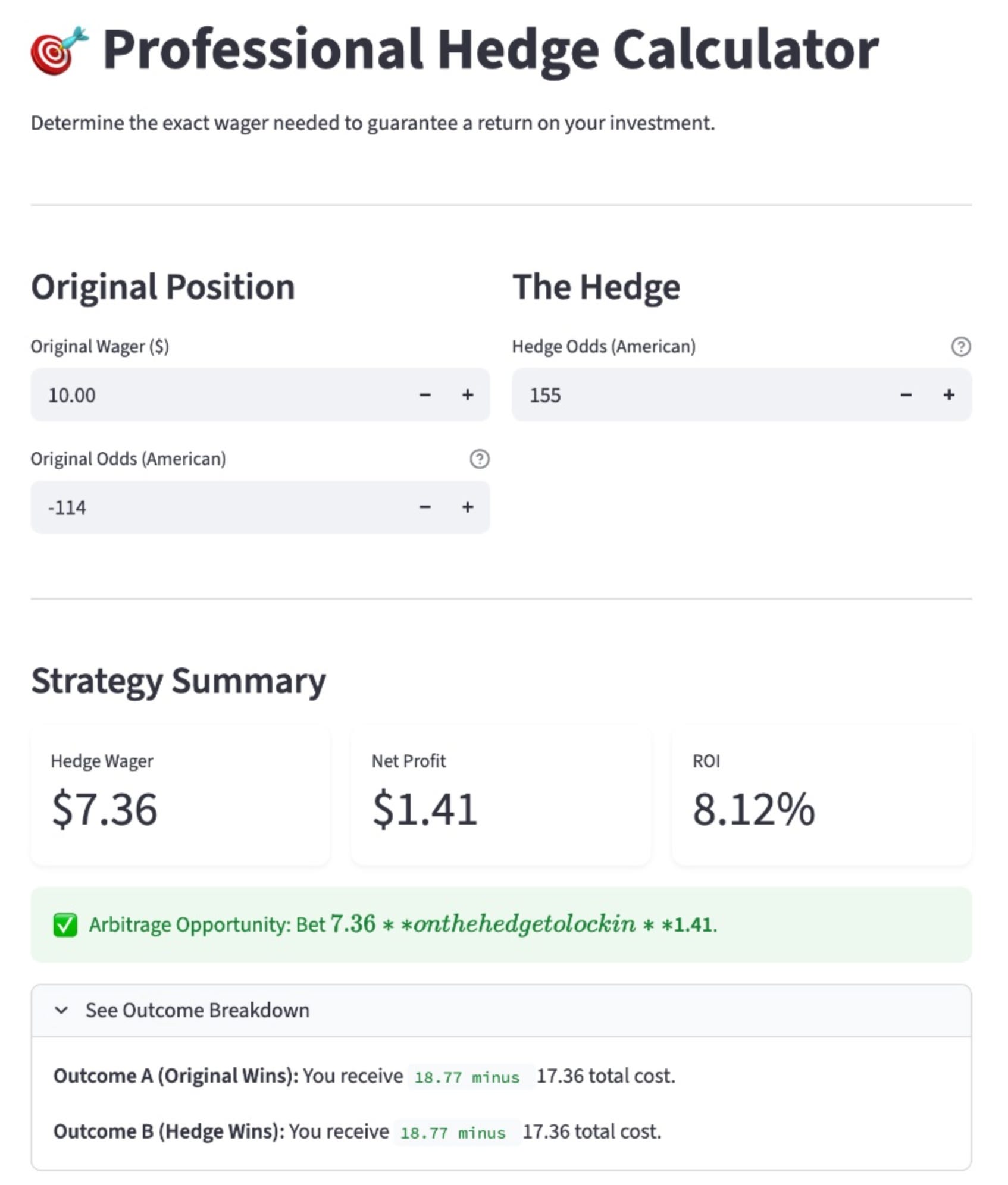
I wanted to give a little Jon flavor and fun to it. So I dove into the Python code. Probably will continue to tweak some of the colors, spacing, and layout. Again, just to tinker as a little educational task.
But I like my little man. And I’m happy that I know a little more about something than I did yesterday.